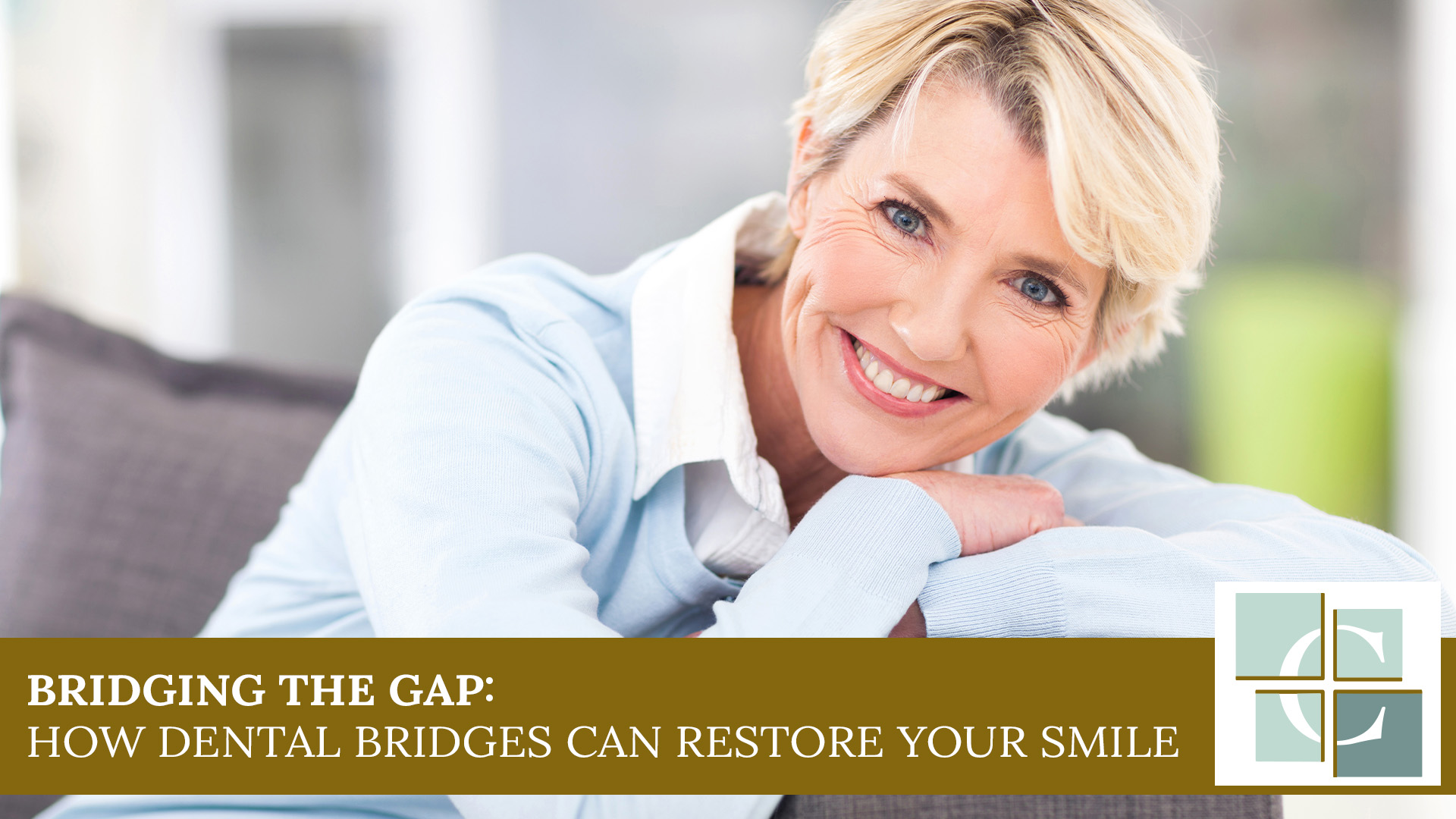
 Everyone knows that missing a tooth affects how your smile looks. Aesthetics alone are enough to prompt many people to seek replacement. But beyond looks, missing teeth can change how you chew, how you speak, and how evenly your bite functions over time. If you have a gap from a lost tooth and want a fixed solution, a dental bridge may be worth considering. At Cornerstone Dentistry, conversations about a dental bridge in Covington, LA, start with clarity and trust. You deserve to understand how a dental bridge works, when it makes sense, and how it fits into your long-term oral health. Let’s dive into that now.
What Is a Dental Bridge and What Does It Replace?
A dental bridge replaces one or more missing teeth by anchoring an artificial tooth to the teeth next to the gap. Those neighboring teeth provide support, keeping the replacement tooth firmly in place. When you receive a dental bridge, the goal goes beyond a seamless appearance. A bridge helps restore balance to your bite, supports chewing efficiency, and limits unwanted shifting of nearby teeth.
When a missing tooth leaves a space open, surrounding teeth may drift toward the gap. Over time, that movement can affect alignment, jaw comfort, and even gum health. A bridge helps stabilize the area, allowing the rest of your smile to continue functioning as designed.
Who Is a Good Candidate for a Bridge?
A bridge works best when the teeth next to the missing space are healthy enough to support it. When making a decision, gum health, bite forces, and the size of the gap all factor in. During a consultation, we’ll look closely at bone support, existing restorations, diet, and lifestyle.
You may be a good candidate if:
- You are missing one or more teeth in a row
- The surrounding teeth are strong or can be restored
- You want a fixed option rather than something removable
- You prefer a shorter treatment timeline than some alternatives
A bridge may not be the right fit if neighboring teeth are weak or if bone loss is a concern. In those cases, other options may better protect your overall oral health. You’ll come away from your consultation with the answers you need to make a decision.
Types of Dental Bridges
Not all bridges are built the same. The design depends on where the gap sits and how much support exists around it.
-
Traditional Bridge
A traditional bridge uses crowns on the teeth on both sides of the gap. Those crowns anchor the replacement tooth securely. This option often works well when adjacent teeth already need crowns or have large restorations. It provides strong support and predictable function when planned carefully.
-
Cantilever Bridge
A cantilever bridge anchors to only one tooth next to the space. This design may be used when support exists on just one neighboring tooth. Because it places different forces on the anchor tooth, careful evaluation matters. Cantilever bridges tend to work best in areas with lighter bite pressure.
-
Maryland Bonded Bridge
A Maryland bridge uses a bonded framework attached to the backs of adjacent teeth. This approach preserves more natural tooth structure. It may suit certain front tooth situations where appearance and minimal tooth preparation matter most. Bonding strength and bite forces help determine if this option fits your needs.
Dental Bridge vs Implant vs Partial Denture: How to Choose
Choosing between a bridge, an implant, or a partial denture depends on function, longevity, and timing. No single option works best for everyone.
-
Best for Function
Dental implants often provide the closest feel to a natural tooth because they replace the root as well as the crown. Bridges restore solid chewing ability, especially when anchor teeth offer strong support. Partial dentures restore function, but may feel less stable for some people.
-
Best for Longevity
Implants may last longer when bone support and oral health remain stable. Bridges can also last many years with good care and healthy gums. In either case, longevity depends heavily on hygiene, bite forces, and regular dental visits rather than the restoration alone.
-
Best for Budget and Timeline
Bridges usually involve fewer appointments and a shorter overall timeline than implants. Partial dentures often carry the lowest initial cost, but require daily removal and adjustments. A thoughtful conversation can help you decide how to balance investment, comfort, and long-term goals so you feel confident in your decision.
What to Expect During the Bridge Process
Getting a bridge typically happens in stages, including:
- Preparing the supporting teeth
- Taking detailed impressions or digital scans
- Placing a temporary bridge
- Seating the final bridge once it is ready
During preparation, we’ll shape the supporting teeth and crowns so the bridge fits smoothly and naturally. Temporary restorations protect the area while the final bridge is crafted. At placement, your bite alignment and comfort receive close attention to help the bridge feel like part of your natural smile.
How to Care for a Bridge and Floss Under It
Caring for a bridge matters just as much as placing it. Daily hygiene helps protect the supporting teeth and gums underneath the bridge.
Helpful tools include:
- Floss threaders to guide floss beneath the bridge
- Water flossers to rinse hard-to-reach areas
- Soft toothbrushes for gentle daily cleaning
Regular cleanings allow us to monitor gum health and catch small concerns early. With consistent care, bridges can remain comfortable and functional for many years.
How Long Bridges Last and What Can Shorten Lifespan
With good care and gum health, a bridge may last many years. However, several factors can influence its lifespan. Gum disease, decay around supporting teeth, and frequent grinding can shorten longevity. Bite imbalances and skipped cleanings may also contribute to problems over time.
Protective habits help support long-term success, such as wearing a night guard if you clench or grind. Keeping up with routine visits is very important as preventive care helps keep dental restorations working quietly in the background so you can focus on what matters most.
If you are exploring a dental bridge in Covington, LA, and want guidance grounded in trust and clarity, contact Cornerstone Dentistry for a conversation. Together, we can look at your smile and determine whether a bridge supports your health and goals.
Disclaimer: The content of this blog is not intended to be a substitute for professional medical advice, diagnosis, or treatment. Always seek the advice of qualified health providers with questions you may have regarding medical conditions. Your results may vary.